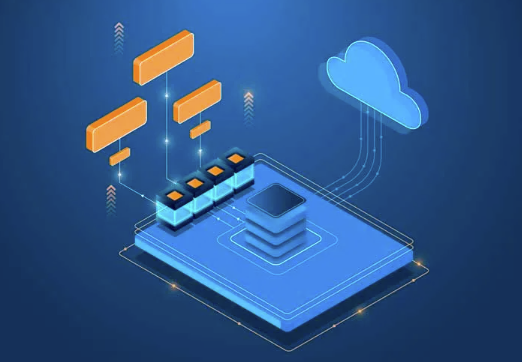

Edge and cloud computing present complementary tradeoffs in performance and scale. Edge offers low latency, data locality, and offline resilience, while cloud supplies elastic capacity and global analytics. Hybrid architectures orchestrate across devices, fog, and centralized resources, guided by policy and federation of data. Practical patterns—containers, microservices, and federated data fabrics—enable repeatable deployments. The balance hinges on latency budgets and governance constraints, leaving a space where architecture choices dictate the next steps and what must be demonstrated.
What Edge and Cloud Bring to Performance and Scale
Edge and cloud architectures collectively redefine performance and scalability by distributing workloads across localized and centralized resources.
The subtopic examines how edge latency improves real-time responsiveness while data locality reduces transit costs, and how cloud scalability supports dynamic growth through centralized processing.
Virtualization enables portable workloads; orchestration coordinates resources, delivering freedom to scale independently, yet harmoniously with distributed infrastructure.
Subtopic ideas: autonomy, optimization.
When to Favor Edge, When to Favor Cloud
Deciding where to execute workloads hinges on latency tolerance, data locality, and control requirements: edge is favored when immediate responsiveness and local data processing are paramount, while cloud excels when scale, centralized analytics, and broad orchestration are essential.
Edge latency emerges through localized processing, offline resilience, and autonomous devices; cloud scalability enables federation, global analytics, and rapid, scalable deployment across teams seeking freedom and efficiency.
Architecting a Hybrid Edge-Cloud Strategy
Boundaries blur as orchestration abstracts complexity, enabling freedom-loving teams to tailor compute and storage across edge, fog, and cloud without compromise.
Practical Patterns and Case Studies for Integration
How can organizations translate hybrid edge-cloud principles into concrete, repeatable patterns for integration? Practical patterns emerge from modular microservices, container orchestration, and federated data fabrics that scale across devices and data centers.
Case studies reveal latency budgeting and data governance as core constraints, guiding policy-driven deployment, virtualization of services, and repeatable integration templates that empower autonomous operation and freedom to innovate.
Frequently Asked Questions
How Do Data Governance and Compliance Differ Between Edge and Cloud?
Data governance and compliance differences arise from edge data sovereignty enabling localized policy enforcement, while cloud emphasizes centralized regulatory alignment; scalability, virtualization, and orchestration shape governance models, ensuring adaptive, freedom-seeking organizations manage compliance across distributed environments.
What Are Total Cost of Ownership Comparisons for Edge Vs Cloud?
Total cost considerations favor cloud economics for scalable workloads, but edge pricing can reduce ownership cost for localized, autonomous deployments; orchestration and virtualization nuance ongoing efficiency, enabling freedom-seeking teams to optimize throughput, latency, and total cost across ecosystems.
How Does Latency Impact User Experience Across Geographies?
Latency shapes user experience; across geographies, latency perception varies with geographic variability, data sovereignty, and regulatory alignment, influencing performance symbolism as systems scale through virtualization and orchestration, empowering freedom yet demanding careful latency-aware design.
Which Workloads Are Best Suited for Multi-Cloud Edge Orchestration?
Multi-cloud workloads are best suited for edge orchestration, enabling scalable, virtualized deployment across regional nodes and WAN links. This approach supports freedom-driven architectures, where orchestration emphasizes portability, resilience, and efficient resource distribution throughout diverse edge environments.
See also: Powerful Tech Insights 8889898953 That Drive Success
What Security Risks Are Unique to Distributed Edge Deployments?
Edge security risks in distributed deployments include fragmented governance, insecure edge devices, and inconsistent policy enforcement; edge governance must scale across sites, enabling virtualization-aware orchestration and scalable security controls that empower freedom while reducing attack surfaces.
Conclusion
In the grand theater of computation, edge and cloud perform like synchronized giants—one sprinting through latency with microseconds of destiny, the other weaving oceans of elasticity from vast clouds. When edge shouts, cloud hums; when cloud roars, edge steadies. Architectures scale as if turbocharged by orchestration: containers bloom, services glide, data fabrics federate. A hybrid symphony emerges—policies pin the tempo, microservices choreograph the moves, and every device, VM, and node bows to scalable, resilient performance.

 By
By



 By
By